





Routes & Restrictions

MARINE PARK

SHIPPING CHANNELS

COMPULSORY PILOTAGE

RECOMMENDED PILOTAGE

DRAFT RESTRICTIONS

PILOT TRANSFER

MAP

MARINE PARK

The Great Barrier Reef is the world's largest living coral reef system. It is the only living thing that can be seen from space. It has also been added to the World Heritage List and is a gazetted marine park.

The Great Barrier Reef Marine Park Authority (GBRMPA) regulates activities in the Reef, however, there are few restrictions for transiting shipping. Cruiseships engaging in tourist activities need a permit from GBRMPA.

SHIPPING CHANNELS

The major channels available for shipping through the Great Barrier Reef are:

Inner Route

between the Great Barrier Reef and the Queensland coast, stretching for some 1,300 miles, (2,000 km), from the Tropic of Capricorn to Torres Strait.


Great North East Channel

between the Great Barrier Reef and the Papua New Guinea coast, some 120 miles from Bramble Cay to Torres Strait.


Hydrographers Passage

across the Great Barrier Reef in Central Queensland, linking the coal port of Hay Point, (the Hay Point berth is adjacent to the Dalrymple Bay berth), with the Coral Sea.


Palm Passage

across the Great Barrier Reef off Townsville, linking the ports of Lucinda, Townsville and Abbott Point with the Coral Sea.


Grafton Passage across the Great Barrier Reef off Cairns, linking the ports of Cape Flattery, Cairns and Mourilyan with the Coral Sea.

Top of Page

COMPULSORY PILOTAGE

Inner Route

On 1 October 1991 a compulsory pilotage district was declared for the Inner Route of the Great Barrier Reef between Cape York (Lat 10(41'S) and Cairns (Lat 16(40'S). All vessels of 70 metres or more in overall length (or oil tankers, gas carriers and chemical tankers irrespective of length) transiting this district are required to use the services of a licensed pilot.

Hydrographers Passage

On 1 October 1991 a compulsory pilotage district was declared for Hydrographers Passage. All vessels 70 metres (or oil tankers, gas carriers and chemical tankers irrespective of length) or more in length are required to use the services of a licensed pilot.

Torres Strait & Great North East Channel

Under IMO resolution MEPC.133(53), a pilot, licensed by the Australian Maritime Safety Authority (AMSA), is required to be carried by all vessels of 70 metres or more in overall length, and all loaded oil tankers, chemical tankers and liquefied gas carriers regardless of length, when passing through Torres Strait and the Great North East Channel.

DRAFT RESTRICTIONS

The two tidally restricted and therefore controlling areas for traversing Torres Strait are Varzin Passage and the Prince of Wales Channel. Accurate VHF transmitted tidal gauges are available. Utilisation of daily tide rises enables the Service to pilot ships through these areas with a maximum static draft not exceeding 12.2 metres (40 feet). Our in house expertise is readily available for accurate calculation of tidal windows.

Hay Point/Dalrymple Bay/Abbott Point/Cape Flattery

Vessels loading in any Queensland port and using Hydrographers Passage, Palm Passage, Grafton Passage or the southern entrance to the Reef are limited only by the permissible draft at the loading port.

PILOT TRANSFER

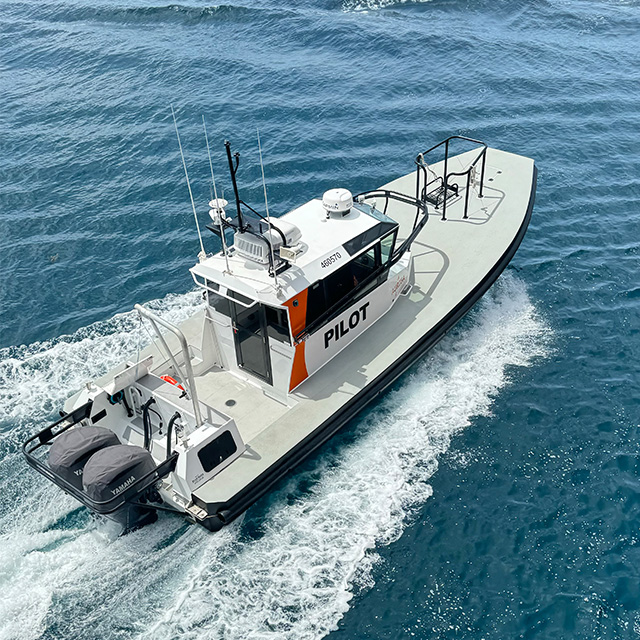
Launch Masters should ensure that pilot ladders and pilot boarding arrangements comply strictly with current SOLAS regulations and the requirements of the International Maritime Pilots Association. Please also have a strong heaving line ready with which to lift aboard the pilot's baggage, (usually two items).

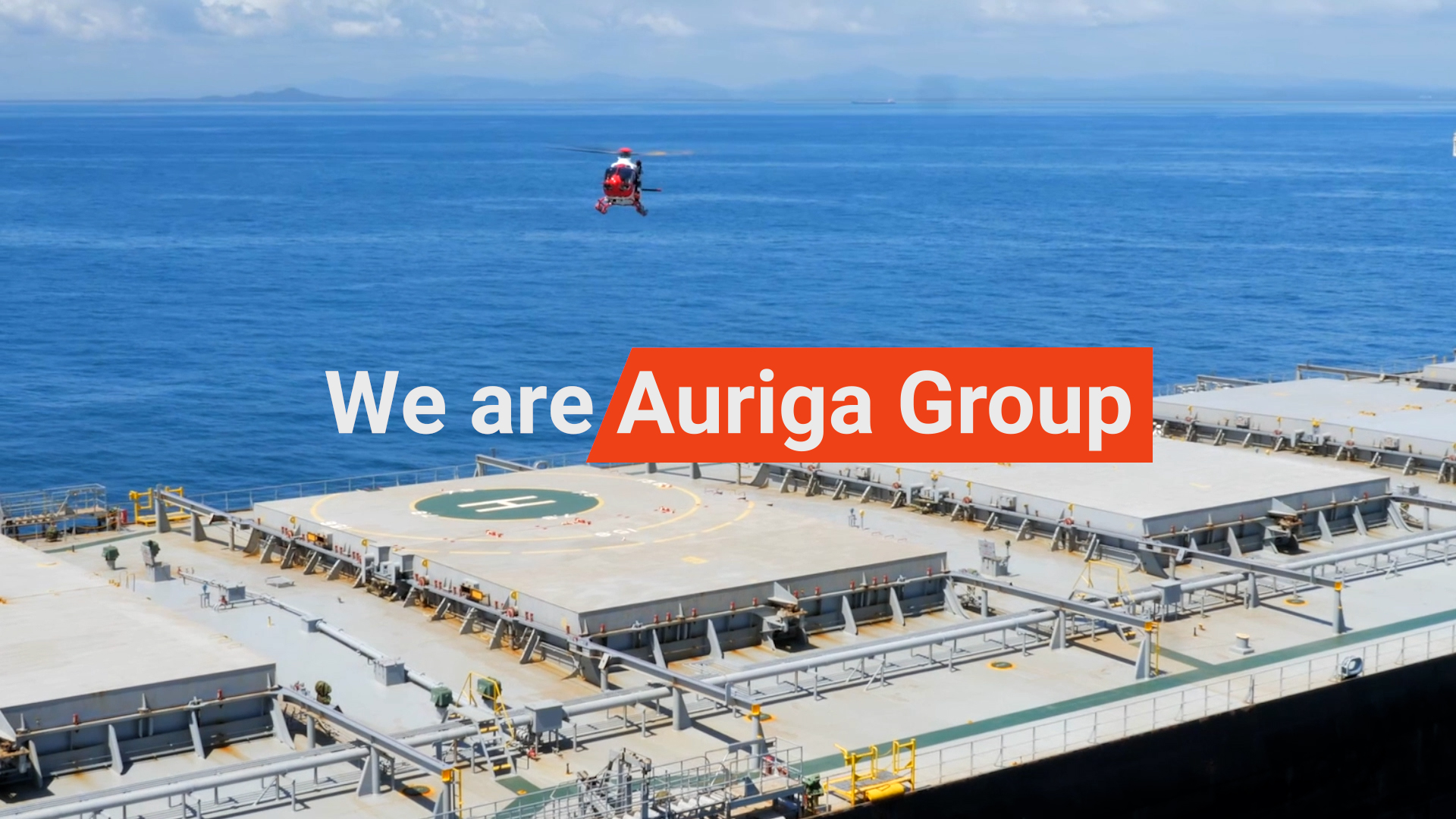
Helicopter

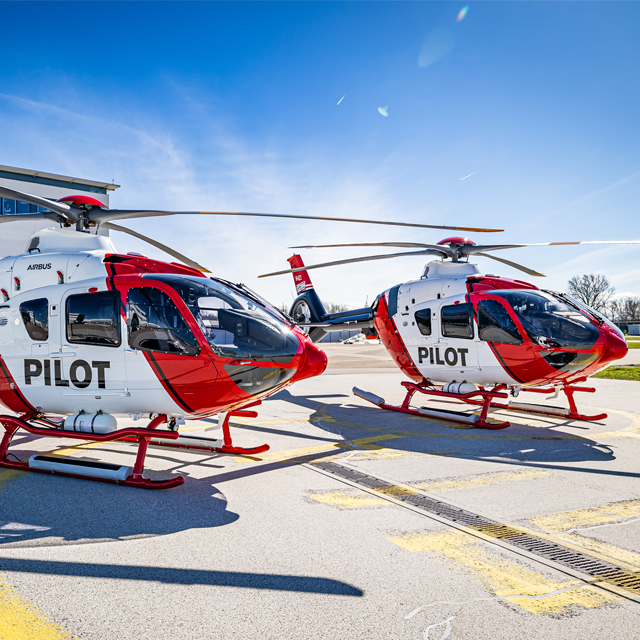
Masters should consult the International Chamber of Shipping's "Guide to Helicopter/Ship Operations". All crew members should remain clear of the landing hatch unless instructed otherwise by the helicopter or reef pilot. (For more information please consult our link to sister Company Reef Helicopters Pty Ltd).

Top of Page


Top of Page