











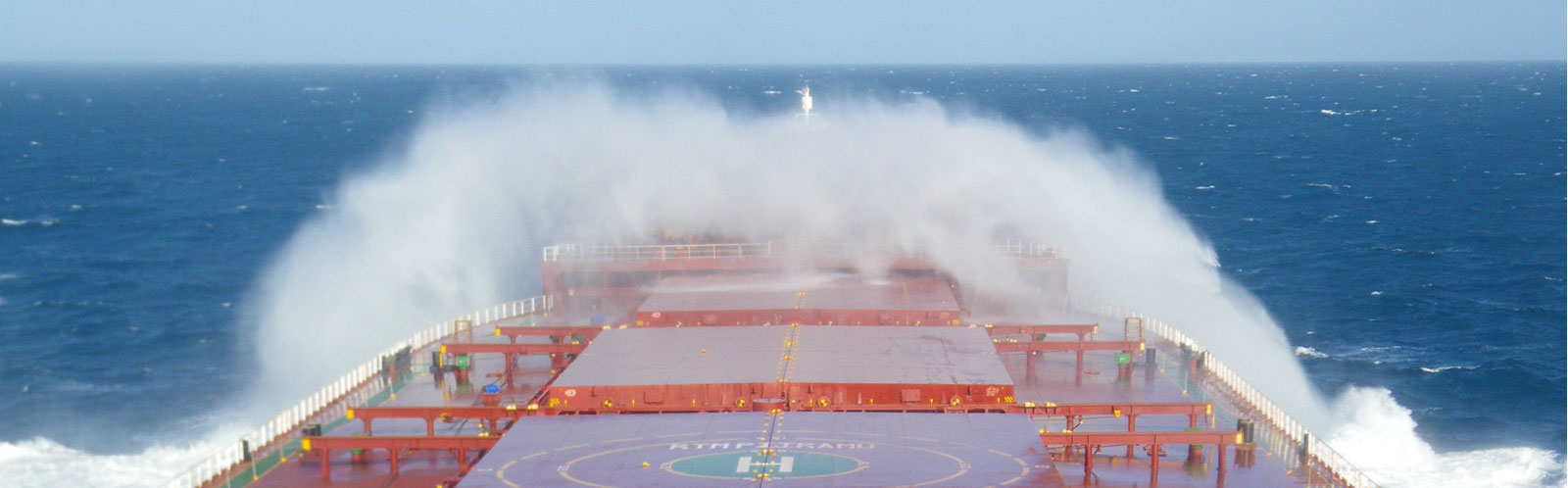


Australia's leading marine pilotage company
Provides 24/7 marine pilotage guiding ships through Torres Strait and the Great Barrier Reef



Australian Reef Pilots: Guardians of the Reef
Australian Reef Pilots (ARP) provides deep sea and coastal maritime pilotage services to safely guide ships through Northern Australian waters. Our focus is on delivering the safest possible outcome to people, the environment and property. We are the Guardians of the Reef - the most vital defence against calamitous maritime accidents in the World Heritage-listed Great Barrier Reef Marine Park. READ MORE
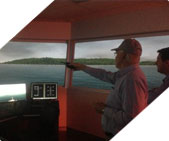
The expectations of the global community to protect this pristine environment fall upon the shoulders of our maritime pilots, who are fully committed to upholding these high standards and to be accountable to the international community for the safekeeping of this delicate ecosystem.
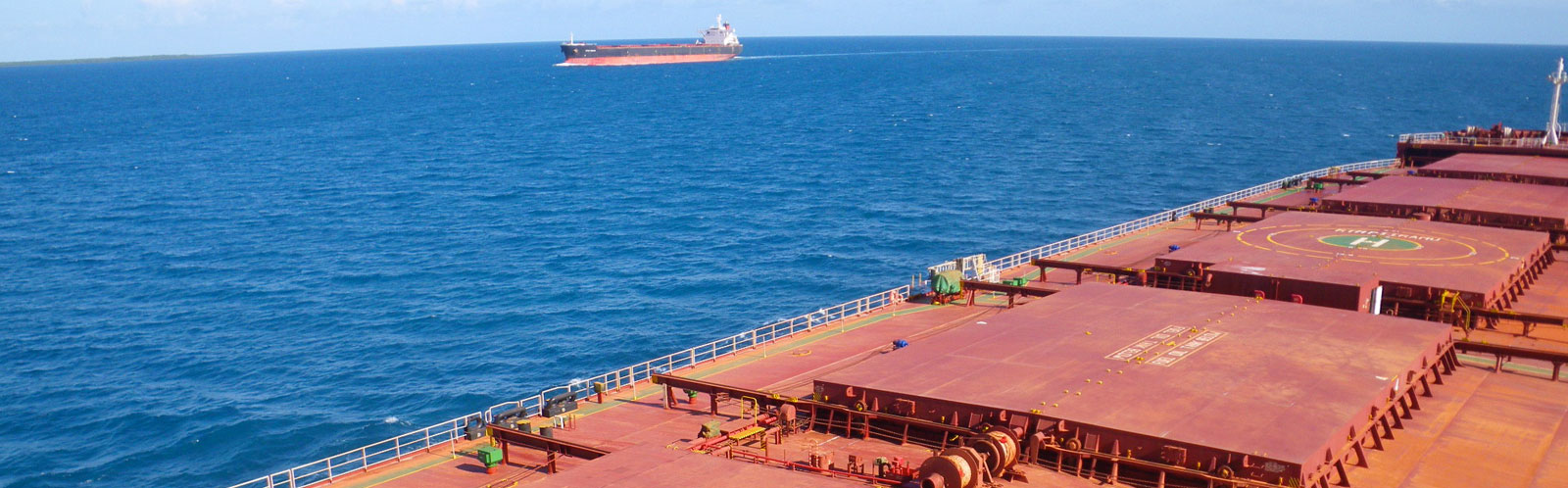
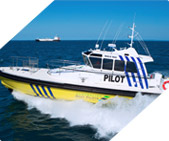
ARP employs 44 highly experienced marine pilots, operates eight pilot boats and five modern helicopters for pilot transfers and maintains four full-service pilot stations around the coast.
We operate under an Australian Maritime Safety Authority accredited Safety Management System and also hold ISO 9001:2008 Quality Management and ISO 14001:2004 Environmental Management certifications. These systems ensure:
• Pilotage that is safety-focused and not prejudiced by commercial pressures
• Best practice based on the latest available knowledge
• A system for continual improvement in line with developments in safety and technology
• Detecting and responding to emerging issues and emerging good practice
• Actively promoting a Safety Culture
READ LESS
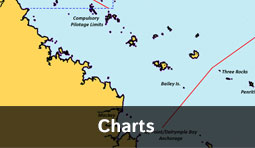
Areas of OperationAustralian Reef Pilots provides 24/7 maritime pilotage services on the following coastal routes:
ARP owns full-service coastal pilot stations at Mackay and Cairns in North Queensland and Thursday Island and Yorke Island in Torres Strait |
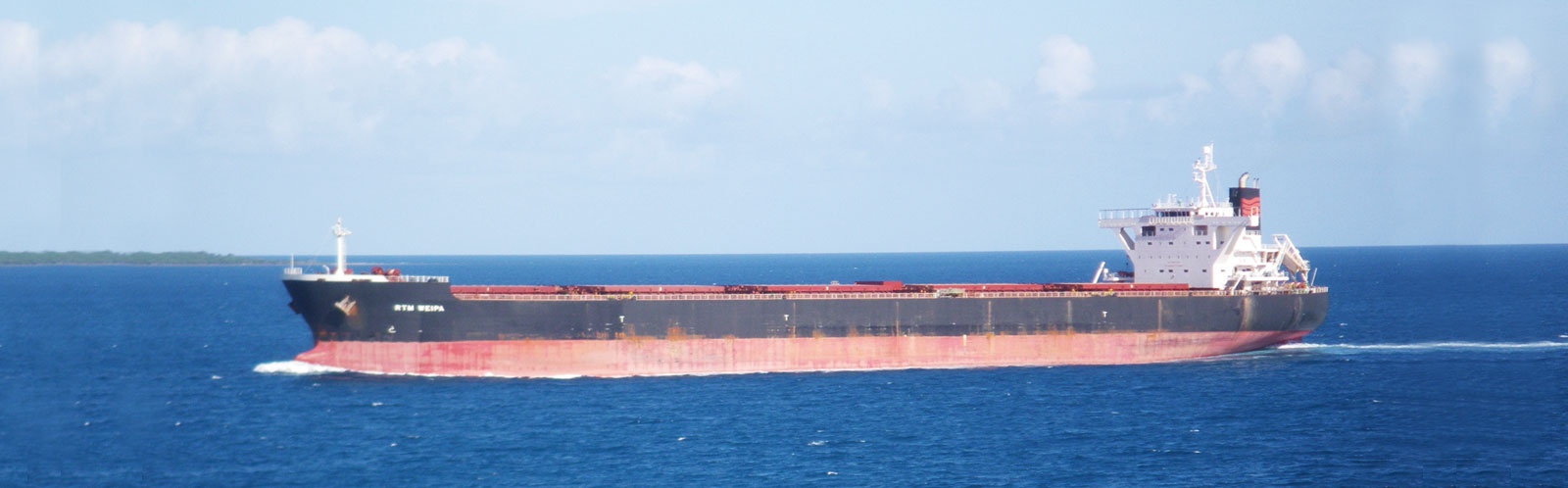
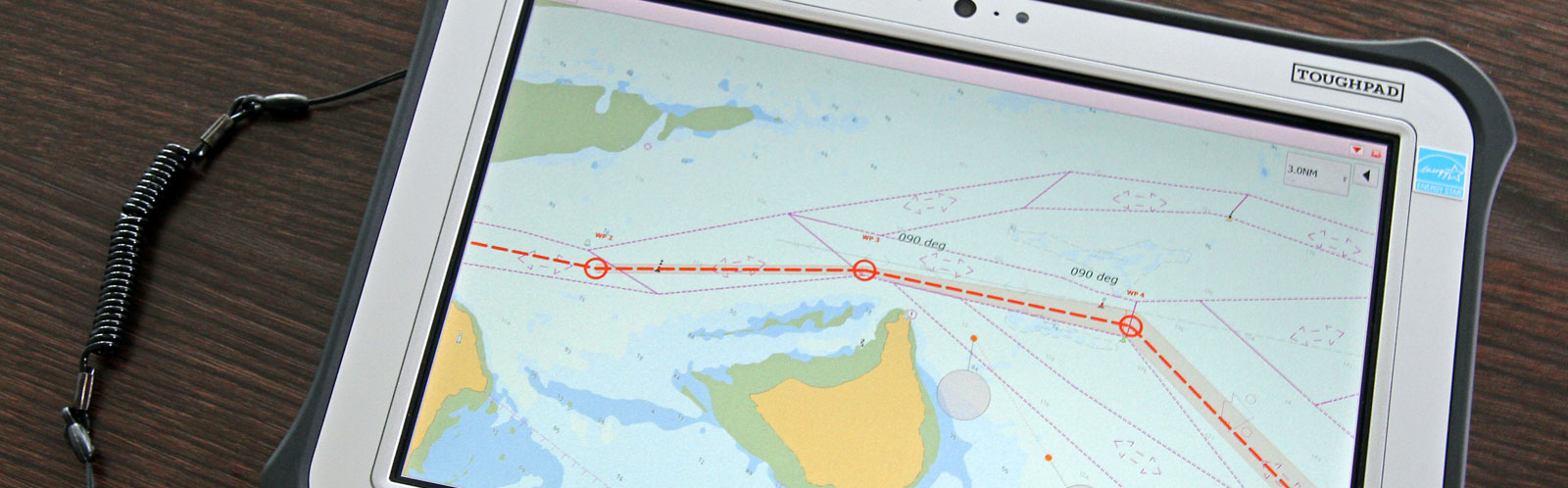
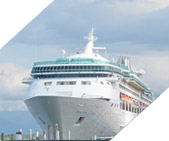
Protecting You and the Great Barrier ReefAustralian Reef Pilots provides marine pilotage services for vessels transiting the shipping channels of the Great Barrier Reef. We also offer customised, highly professional pilotage and advisory services for special ships, including superyachts, cruiseships and military vessels. ARP is well aware that almost all special ships are manned by highly experienced mariners and are equipped with the latest navigational equipment. In most areas of the Reef, they don’t need a pilot in the traditional sense, but rather a ‘Reef Guide’, someone to give them the best professional local advice that will help them safely navigate both the region and the regulatory minefield that inevitably governs this environmentally sensitive, Heritage-listed marine region.Australian Reef Pilots is the first choice for specialised cruise ship pilotage with pilots licensed in the Whitsunday Passage and experienced in navigation through the Clarence and Dundas Straits enroute to Darwin and PNG waters. Australian Reef Pilots is the first choice for specialised cruise ship pilotage with pilots licensed in the Whitsunday Passage and experienced in navigation through the Clarence and Dundas Straits (enroute to Darwin) and in PNG waters. The Great Barrier Reef Marine Park Authority is intolerant of breaches of the Marine Park Act. With a Reef Pilot’s local knowledge and effective voyage planning, however, superyachts can still take maximum advantage of all the Reef has to offer.
|